Purpose of the article :This article describes the initial steps toward regulating a European cryptoasset market within the framework of the digital single market (parts one and two), before focusing on the challenges of technological neutrality and preserving financial stability (part three).
Summary:
- The proposed regulation on cryptoasset markets is part of the European Commission’s digital finance strategy and digital single market.
- The granular approach to cryptoassets complements other proposals under discussion by the co-legislators, in addition to existing instruments covering cryptoassets considered to be « financial instruments » and electronic money;
- The risks of uncontrolled growth of cryptoassets across Member States are significant from both a macroeconomic and microeconomic perspective, affecting the financial sector, banking, and monetary policy, with uncertainties about their impact on financial stability and risks to consumers and investors (e.g., increased uncertainty, lack of protection for investors and depositors, and impaired market integrity).

Faced with the explosion of cryptoassets and cryptocurrencies since the start of the Covid-19 crisis[1] (at least 5,100 cryptoassets identified worldwide in 2020[2]), the regulatory framework is under discussion at European level with the proposed regulation on cryptoasset markets (hereinafter referred to as the MiCA Proposal for ‘Markets in Crypto-assets’ published in September 2020)[3]. The proposed framework aims to address different levels of risk while leaving enough room for innovation and competitiveness, and the use of technologies, including blockchain, of which cryptoassets are the main application in the financial field. Digital assets are becoming increasingly important in the financial system. As such, the regulation is part of the strategy for digital finance in the von der Leyen Commission’s agenda. Cryptoassets are already being used and are considered to be faster, more efficient, and less costly payment instruments, as well as a source of new financing, including for smaller players such as SMEs.
The problem with the current framework is the growing number of crypto-assets that fall outside the scope of existing European financial regulations[4], which risks undermining confidence in their use and leading to regulatory uncertainty. The European market remains fragmented according to national circumstances (some Member States have established rules at national level, e.g., Germany, France, and Malta).[5] The main purpose of the regulation is therefore to clarify the applicable framework in order to ensure legal certainty for investors and consumers, support innovation and market integrity, and guarantee financial stability. This proposed regulation is part of more general developments relating to the internal market. In particular, the overall objective is to further integrate the single market, providing uniform, consistent, and low-cost operating conditions in the context of the« digital » reality.
How should cryptoasset markets be regulated in the European Union? The article focuses on examining the scope of the MiCA proposal, which is relatively limited in European law, despite a broad definition of the concept of ‘cryptoasset’. Harmonization of rules should therefore promote capital mobility and competition, while ensuring the confidence of stakeholders (investors, consumers) and promoting the issuance and provision of cryptoasset services in the EU. Two concerns are discussed in greater detail, namely the principle of technological neutrality and the preservation of stability. It is necessary to contextualize this new legal framework in light of parallel initiatives for digital services.
1) Cryptoassets or virtual assets
1.1 Distinctions underlying the definition adopted in the MiCA proposal
A cryptoasset is defined by the digital nature of the asset and its dependence on cryptography, as well as « distributed ledger technology » or « DLT, » which is a type of technology that enables the distributed recording of encrypted data. This definition covers a wide range of private cryptoassets, with frequent confusion in everyday language, from virtual currencies to digital tokens issued via an initial offering during a fundraising campaign.
In a more comprehensive approach adopted by an intergovernmental standardization body several years ago, a cryptoasset is associated with a virtual asset. The Financial Action Task Force (FATF) defines it as a digital representation of value that can be digitally transferred or traded and can be used for payment or investment purposes[8].
In line with this definition, the Commission’s proposal states that any definition of « crypto-assets » should correspond to the definition of « virtual assets » in the FATF recommendations. The text of the MiCA proposal provides the following definition: « a digital representation of value or rights that can be transferred and stored electronically, using distributed ledger technology or similar technology. »[10] A simpler definition identifies crypto-assets as tokens issued on the basis of cryptographic techniques and denominated in their own unit of account.[11] Regardless of the definition, cryptoassets are distinct from digital forms of currency.
1.2 Cryptoassets and currency
The changes taking place in currency are the result of various financial innovations and potentially monetary policy in the near future (see discussions on central bank digital currencies). The aim here is to define cryptoassets that are closely linked to the use of money and potentially operate as a substitute for it. Fiat money is defined as legal tender banknotes and coins, including euro banknotes and coins that are legal tender under European law.
Conversely, electronic money is defined as monetary value stored in electronic form, including magnetic form, representing a claim on the issuer, which is issued against the remittance of funds for the purpose of payment transactions.[14] As such, the proposed MiCA regulation introduces a sub-category of electronic money tokens within cryptoassets, which is similar to but distinct from electronic money, as described below.
2) The MiCA Proposal framework
2.1 A categorization outside the scope of financial instruments and electronic money
Cryptoassets, considered as financial instruments or electronic money, are already covered by European law. However, these cryptoassets do not correspond to the entire universe of existing cryptoassets and those soon to be placed on the market. The portion of cryptoassets that is currently not subject to regulation should be covered by the new regulation once it is adopted.
The MiCA proposal creates a categorization of cryptoassets to define the scope of application of the new rules[17]. At the level of market participants, the rules are established for cryptoasset issuers and cryptoasset service providers who will apply for authorization to provide such services within the single market and will be subject to a supervisory regime.[18] Once again, the term « cryptoassets, » despite its broad definition, does not cover all assets, as those considered financial instruments[19] are not subject to the proposed MiCA regulation, nor is electronic money covered by another directive.

Adapted from the EBA Report (2019), p. 15, combined with the proposed MiCA Regulation (2020).
The MiCA proposal establishes subcategories of cryptoassets:
- utility tokens;
- asset-referenced tokens; and
- e-money tokens.
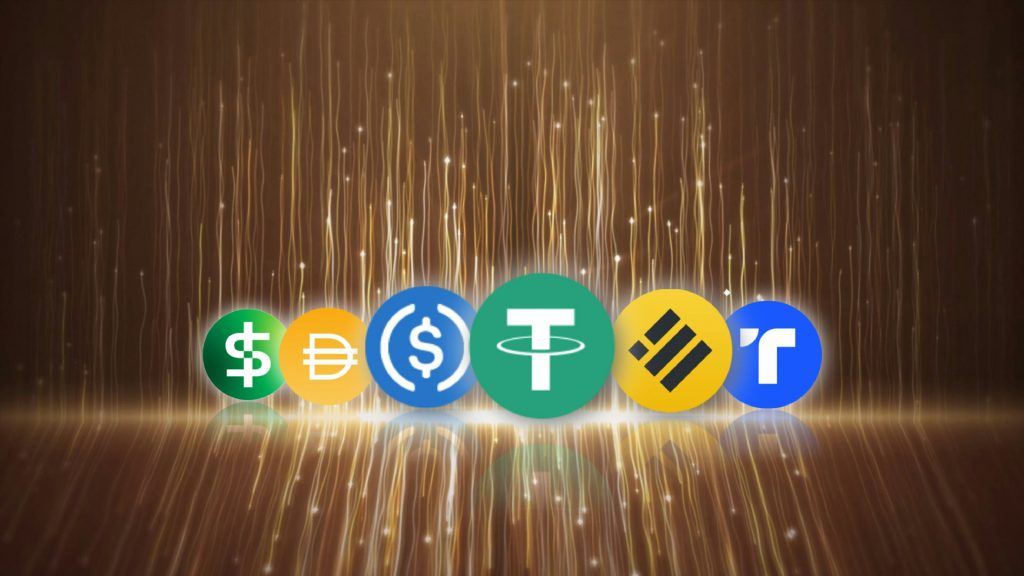
Under the proposed framework, utility tokens provide « digital » access to a good or service via the DLT system and are only accepted by the issuer of these tokens.[20] Asset-referenced tokens mainly serve as a store of value (potentially referencing several fiat currencies, or several commodities or several cryptoassets, as in the now-transformed Libra project), while e-money tokens serve as a medium of exchange and a store of value.[21]Electronic money tokens are recognized as electronic substitutes for coins and banknotes and are used to make payments referenced to a legal tender fiat currency[22], demonstrating clear links between this proposal and already regulated electronic money. This third subcategory can be illustrated by USD Coin, which is indexed to the US dollar.
Furthermore, other cryptoassets not covered by these three categories in the strict sense should still be subject to the future regulation, unless they are expressly excluded.[23] Referring back to the diagram above, this is the MiCA sub-universe in which a group of residual cryptoassets remains distinct from the subcategories listed so far. This is therefore an « other » category[24] that is still difficult to identify from reading the legal framework.

Simple representation of the token categories defining cryptoassets in the MiCA proposal
Many cases seem to combine functions, with hybrid characteristics simply due to a new and evolving market. It is important to mention stablecoins[25], a subset of cryptoassets whose characteristics aim to stabilize their price, known as ‘stable value tokens’[26], which currently remain somewhat outside the scope of MiCA (with an option for future ‘tailor-made’ legislation and an option for regulation as part of a revision of the European Electronic Money Directive). Nevertheless, depending on the characteristics of a given stable token, it could fall under one of the existing MiCA categories, for example as an electronic money token. The co-legislators will act in full knowledge of the facts in response to this compartmentalization, which must be contextualized within the European strategy for digital services and finance.
2.2 A limited scope of application
MiCA’s scope follows a targeted approach within European financial regulation, but should not be viewed in isolation. Other legislative proposals are adjacent to MiCA as part of the digital finance strategy, in particular the revision of the definition of financial instruments (MiFID II) and two other pieces of legislation. One creates a pilot regime for market infrastructures based on DLT and the other deals with digital operational resilience[27], applying to crypto-asset service providers and crypto-asset issuers. In other words, the aim is to ensure the security of financial entities’ networks and information systems.
Central banks (acting as monetary authorities) or public authorities that issue cryptoassets or provide cryptoasset-related services are outside the scope of the MiCA proposal. Nevertheless, in its opinion, the ECB requested express confirmation that this exemption applies to securities issued by central banks based on DLT or in digital form as a complement to existing forms of central bank money,[29] paving the way for the digital euro. This clarification reinforces the strict distinction between crypto-assets regulated under MiCA and what would fall under central bank digital currencies in the short/medium term, for the ECB in the euro area and national central banks outside the euro area, and will require a dedicated framework. The approach may be quite different, as seen this month in El Salvador, which has made bitcoin legal tender, disregarding the risks associated with volatility and speculation.[30]
3) Development of a European cryptoasset market: neutrality and stability
A number of challenges remain, particularly regarding the neutrality of the technology in the issuance or services of cryptoassets, as well as the impacts on monetary policy and financial stability.
3.1 The technology-neutral approach
The importance of a technology-neutral approach to finance has been emphasized on several occasions. The MiCA proposal’s approach, which incorporates a broad definition, has been partly called into question by the ECB’s opinion, which calls for clarification of its scope for two reasons. Namely, the ability to clearly distinguish between cryptoassets considered to be financial instruments (under MiFID II) and those that will fall under the MiCA categorization explained above. In addition, the opinion considers that the MiCA approach diverges from a technologically neutral and precise approach. However, it is not certain that the above definition of crypto-assets contradicts the principle of neutrality (as a reminder: a digital representation of value or rights that can be transferred and stored electronically, using distributed ledger technology or similar technology). The MiCA proposal contains the substance of the principle of neutrality in one of the recitals—appearing before the articles—even though the name of the principle is not mentioned in the proposal, and could be introduced following an amendment tabled by a Member of the European Parliament last June.[33]
3.2 Impacts on monetary policy transmission and financial stability
The substitution of deposits by cryptoassets could significantly impact the banking financing model. This observation follows the scenario of mass adoption by consumers of cryptoassets (in particular asset-referencing tokens) as a means of payment or store of value, which could pose risks to financial stability and monetary policy transmission.[34] The transformation of the banking market would result not only from changes in the financing model but also from potential arbitrage in response to transactions carried out in a given interest rate environment. In this case, the prohibition on granting interest to holders of asset-referenced tokens provided for in the proposed Mi CA regulation has been criticized for the arbitrage it creates (in favor or to the detriment of token holders depending on upward or downward rate movements, driving them or not towards other interest-bearing financial assets). This arbitrage could have implications for financial stability and the transmission of monetary policy, as raised in the ECB opinion[36]. The opinion warns that the attractiveness of holding electronic money tokens or asset-referenced tokens could thus be dependent on the interest rate environment. However, it is important to note that the intention of the MiCA proposal can be read as seeking to steer the issuance and use of cryptoassets primarily as a medium of exchange (rather than a store of value).[37]
The authorization and supervision of actors within the cryptoasset market regulated by the MiCA framework will enable uniform and consistent application of the rules, promoting a level playing field and financial stability. The harmonization of rules, whether operational or designed to ensure transparency, will reduce financial and administrative costs, including compliance costs, and eliminate any differences in interpretation at the national level. The establishment of a « cryptoasset white paper »[38] creates an incentive containing detailed descriptions of the characteristics of the cryptoasset concerned,[39] aimed at transparency and the protection of consumers and investors, contributing to market integrity.
In addition, authorization could be refused to an aspiring cryptoasset issuer if the business model posed a serious threat to financial stability, the transmission of monetary policy, and monetary sovereignty. Although the threats are not specified in the proposal (leaving discretion to the competent authorities), they could include the volume, volatility, and lack of credibility of the operator applying for authorization. However, the parties involved in assessing this threat are still to be discussed (the EBA, ESMA, and the ECB in cases where asset-referenced tokens refer to EU currencies or in the case of electronic money tokens), as is the binding nature of the opinions issued to the authority granting the authorization.[41]
The crypto-asset sector remains modest in size despite its steady expansion, and the risks to financial stability are still uncertain. On the other hand, the risks relating to consumer and investor protection and market integrity are real (already identified in 2019,[42] and are among the explicit objectives of the proposed MiCA framework). These include risks posed by the issuer’s project, the rights attached to cryptoassets, the underlying technology, and potential conflicts of interest, which must be identified ex ante.[43] Other significant risks exist in related areas for which the monitoring, prevention, and control system is being strengthened and consolidated, in particular the fight against money laundering and terrorist financing. Finally, the entry of certain cryptoassets into the payment system sphere raises questions about the boundaries of monetary policy implementation and the smooth functioning of payment systems,[44]which are part of the Eurosystem’s tasks for the euro area.
Conclusion
A more digital and instantaneous society is bringing about multiple changes in economic life, the potential risks of which must be assessed and managed without hindering innovation. A clear framework that inspires confidence should create opportunities for citizens and stimulate economic competitiveness across the EU, which is all the more important in the context of the developing Capital Markets Union. Other issues have not been covered here, such as the impact on the supervisory system put in place for the granting and prudential supervision of authorizations, the increased use of energy for the proper functioning of operations, or the dimension of fraud prevention and anti-money laundering.
The multiple challenges posed by the rise of cryptoassets once again seem to be based on a typical chain of events in the European Union ecosystem, with emerging innovation prompting a relatively compartmentalized and granular regulatory effort, which must be contextualized within a broader strategy including other proposals put forward simultaneously to ensure digital services and resilience within the EU.
Following the draft report by MEP Stefan Berger, 1,160 amendments were tabled last June,[45] and we are awaiting the parliamentary committee’s decision at the time of publication. This issue is likely to move forward in the coming months given its place among the legislative priorities on the European agenda. The changes relating to cryptoassets, their classification, issuance, and control are directly linked to a changing society and economy (in terms of the future uses of currency, payments, and finance in general), which everyone must monitor and view critically. The relevant scale is undoubtedly European, transnational, and should be global.
[1] Alhonita Yatié, « How can we explain the rise in the price of cryptoassets since the start of the pandemic? », Note, BSI Economics (2021).
[2] This corresponds to a market capitalization of more than $250 billion, see European Parliament, Crypto-assets Key developments, regulatory concerns and responses, Robby Houben and Alexander Snyers, ECON Committee Study, April 2020.
[3] Proposal for a Regulation of the European Parliament and of the Council on markets in crypto-assets and amending Directive (EU) 2019/1937, COM(2020) 593 final (Regulation 2019/1937).
[4] EBA, Report with advice on crypto-assets, 2019, and ESMA, Opinion on initial token offerings and crypto-assets, 2019.
[5] European Commission Staff Working Document accompanying the Proposal for a Regulation of the European Parliament and of the Council on a pilot scheme for market infrastructures based on distributed ledger technology, September 24, 2020, SWD/2020/201 final, and recital 3, MiCA Proposal.
[6] See proposals for digital services legislation.
[7] Article 3(1)(1), MiCA Proposal.
[8] Recommendation 15, International Standards on Anti-Money Laundering and Combating the Financing of Terrorism and Proliferation, FATF, October 2018, R. 15 and Glossary – pp. 15 and 126-127.
[9] Recital 8, MiCA Proposal.
[10] Article 3(1)(2), MiCA Proposal.
[11]Tobias Adrian and Weeks-Brown, ‘Cryptoassets as National Currency? A Step Too Far’ (IMF Blog) https://blogs.imf.org/2021/07/26/cryptoassets-as-national-currency-a-step-too-far/ .
[12] See the various projects associated with the BIS, https://www.bis.org/about/bisih/topics/cbdc.htm, the central bank digital currency experimentation initiative launched by the Banque de France (May 20, 2020) Press release, also in the context of discussions on the digital euro.
[13] Article 2(a), Directive 2014/62/EU of the European Parliament and of the Council of May 15, 2014 on the protection of the euro and other currencies against counterfeiting by criminal law, and replacing Council Framework Decision 2000/383/JHA, OJ L 151 of May 21, 2014, pp. 1–8, and Regulation (EC) No. 974/98.
[14] And which is accepted by a natural or legal person other than the electronic money issuer, Article 2(2), EMD Directive 2.
[15] Covered by a set of financial rules, including MiFID II. Directive 2014/65/EU of the European Parliament and of the Council of May 15, 2014 on markets in financial instruments and amending Directives 2002/92/EC and 2011/61/EU (OJ L 173, 12.6.2014, p. 349).
[16] EMD Directive 2. Directive 2009/110/EC of the European Parliament and of the Council of September 16, 2009 on the taking up, pursuit and prudential supervision of the business of electronic money institutions, amending Directives 2005/60/EC and 2006/48/EC and repealing Directive 2000/46/EC.
[17] The proposed regulation aims to establish rules that are immediately applicable in all Member States of the Union and in the single market (characteristics of a regulation).
[18] Not examined in this analysis, see Title VII, Chapter 3.
[19] Article 4(1)(15) of MiFID II.
[20] Article 3(1)(5), MiCA Proposal.
[21] Article 3(1)(3) and (4), MiCA Proposal.
[22] Recital 9, MiCA Proposal.
[23]Elisabeth Noble, ‘Crypto-Assets – Overcoming Impediments to Scaling: A View from the EU’ [2020] SSRN Electronic Journal http://dx.doi.org/10.2139/ssrn.3748343, p. 16 and Title V of the MiCA Proposal.
[24] Ibid.
[25] G7 Working Group on Stablecoins, report on the impact of global stablecoins (« Investigating the impact of global stablecoins »), 2019.
[26] Background to the MiCA Proposal.
[27] Proposal for a Regulation of the European Parliament and of the Council on a pilot scheme for market infrastructures based on distributed ledger technology, COM(2020) 594, and Proposal for a Regulation of the European Parliament and of the Council on digital operational resilience of the financial sector and amending Regulations (EC) No. 1060/2009, (EU) No 648/2012, (EU) No 600/2014 and (EU) No 909/2014, COM(2020) 595. There are also related rules under consideration by the co-legislators.
[28] Recital 7 and Article 2(3)(a), MiCA Proposal.
[29] ECB, Opinion of February 19, 2021, (CON/2021/4), point 1.3.
[30]Christine Murray, ‘El Salvador Becomes a Crypto Laboratory with Bitcoin Gamble’ Financial Times (September 6, 2021) <https://www.ft.com/content/56588fee-dca8-450d-a848-80d29f02f45e> accessed September 9, 2021.
[31] E.g. ESMA, 2019.
[32] Definition of cryptoassets geared towards a type of technology, as opposed to an approach that would be technology-neutral and precise. ECB, Opinion of February 19, 2021, (CON/2021/4), point 1.4 and attached note.
[33] See recital 6, MiCA: « Union financial services legislation should not favor any particular technology. » And amendment 39 by MEP Sven Giegold on behalf of the Greens/EFA group, see the European Parliament’s Legislative Observatory website, https://oeil.secure.europarl.europa.eu/oeil/home/home.do.
[34] Recital 41, MiCA Proposal.
[35] Articles 36 and 45, MiCA Proposal.
[36] ECB, Opinion of February 19, 2021, (CON/2021/4), point 2.1.1.
[37] Recital 41, MiCA Proposal.
[38] Recital 14 and Article 5, MiCA Proposal.
[39] Article 5(2), MiCA Proposal provides that « All information referred to in paragraph 1 shall be fair, clear and not misleading. The white paper shall not contain any material omissions and shall be presented in a concise and comprehensible form. »
[40] Recital 29 and Article 19(2)(c) for asset-referenced tokens and Article 43 for e-money tokens, MiCA Proposal.
[41] See, for example, Articles 18(4) and 43(1)(a) of the Draft Report by Rapporteur Stefan Berger, February 25, 2021, https://www.europarl.europa.eu/doceo/document/ECON-PR-663215_EN.pdf.
[42] ESMA, 2019.
[43] Ibid., point 184.
[44] See previous notes by Victor Warhem, ‘The European Retail Payments Market: Foundations and Trends’ and ‘The European Retail Payments Market: What Does the Future Hold?’, May 11 and 12, 2021, available at www.bsi-economics.org.
[45] European Parliament Legislative Observatory, Digital Finance: Markets in Crypto-Assets (MiCA),
2020/0265(COD) https://oeil.secure.europarl.europa.eu/oeil/popups/ficheprocedure.do?reference=2020%2F0265(COD)&l=en