Usefulness of the article: The current yellow vest crisis has brought partial activity back to the forefront of public debate as an essential policy for safeguarding jobs. In this context, a better understanding of the partial activity mechanism appears essential. This article provides an overview of partial activity from an institutional and academic perspective to enable readers to understand the main issues associated with this mechanism.
Abstract:
- Partial activity is an employment protection policy that allows establishments facing economic difficulties to reduce the hours worked by all or some of their employees, while providing compensation for these hours not worked, co-financed by the establishment and the public authorities.
- Since the Great Recession of 2008-2009, the scheme has seen renewed interest at the institutional level in many countries of the Organization for Economic Cooperation and Development (OECD), particularly in France.
- The expansion of the use of partial activity has led to a boom in academic literature on this scheme. These studies have highlighted the effectiveness of partial activity as a tool for safeguarding jobs in times of crisis. However, they have also shown the adverse effects of partial activity (such as maintaining the workforce in low-productivity sectors or using partial activity for financial optimization purposes).
- In light of the current yellow vest crisis, analyzing partial activity at the individual level is crucial in order to determine the effect of this measure on the career paths of the employees affected.

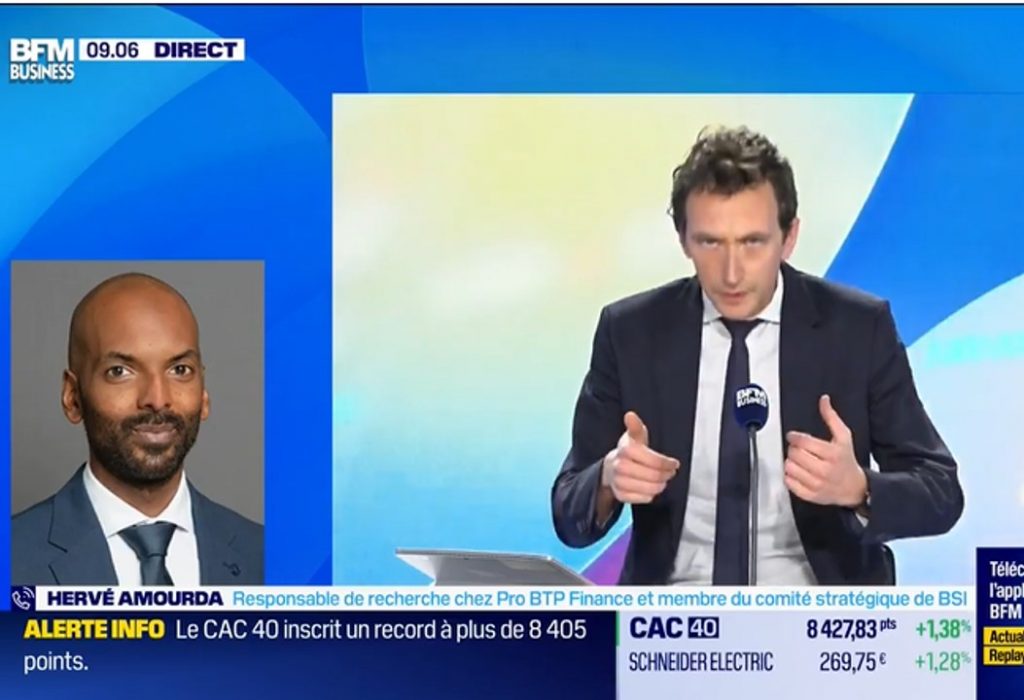
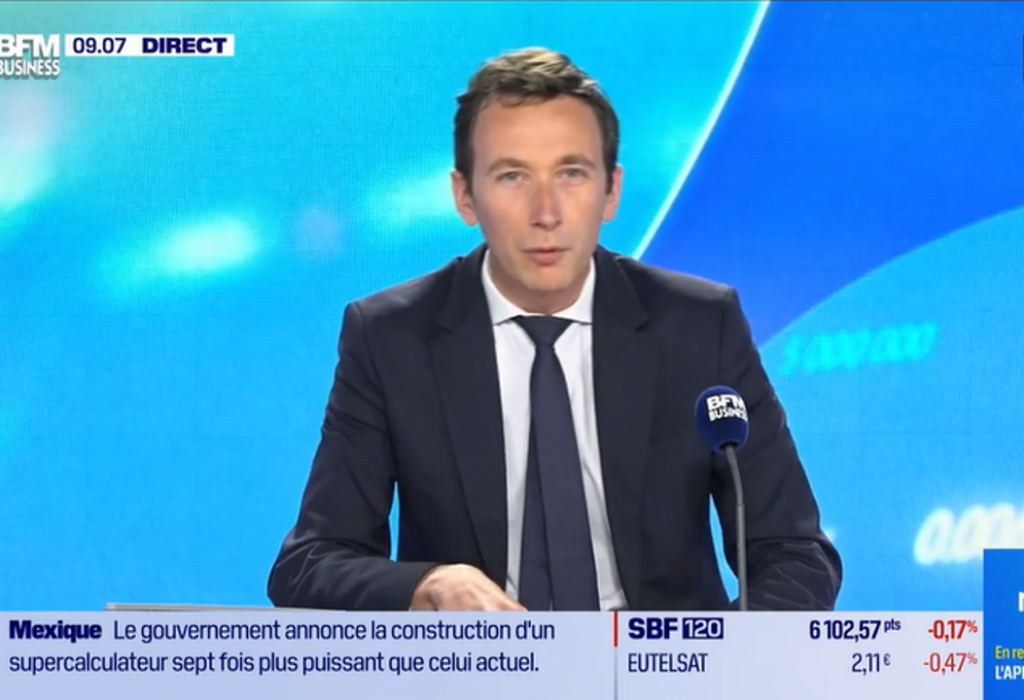
The Minister of Labor, Muriel Pénicaud, recently stated on BFM TV that, as a result of the current yellow vest crisis, approximately 58,000 employees are now affected by the use of partial activity. The current situation in France has brought this little-known job protection policy back into the spotlight.
Partial activity, better known as partial unemployment, allows establishments facing economic difficulties to reduce the hours worked by all or some of their employees, while providing compensation for these hours not worked, co-financed by the establishment and the public authorities. It is therefore a policy that is quite distinct from other measures such as part-time work (corresponding for the employee to an employment contract stipulating a weekly working time of less than the legal 35 hours) or reduced activity (consisting of an individual combining, under certain conditions, unemployment benefits and income from work).
In order to better understand the partial activity scheme, we will present the legislation relating to this scheme, the historical context in which it was developed, and the lessons learned from the literature on this subject.
What is the legislative framework?
With a few rare exceptions, all private sector establishments located in France are eligible for the partial activity scheme. They are authorized to use this policy for the following reasons: economic conditions; difficulties in sourcing raw materials and energy; transformation, restructuring, and modernization; exceptional weather conditions; disasters; any other exceptional circumstances.
Under the partial activity scheme, the establishment may either reduce the working hours or temporarily suspend the activity of all or part of its workforce for a maximum period of six months (renewable once) and for a number of hours not exceeding 1,000 hours per employee per year.
Each hour not worked under the partial activity scheme is compensated at 70% of the gross hourly wage of the employee concerned (approximately 84% of their net hourly wage, up to the minimum wage (SMIC)). This allowance is initially paid by the establishment in the same way as the usual remuneration. The establishment is then reimbursed by the State and Unédic with an hourly subsidy of €7.23 (for establishments belonging to companies with more than 250 employees) or €7.74 (for establishments belonging to companies with fewer than 250 employees).
In order to be eligible for partial activity, an establishment must submit a request for prior authorization to the territorial unit of the Regional Directorate for Enterprises, Competition, Consumption, Labor, and Employment (Direccte) to which it belongs. The regional office will review the request and issue its decision within two weeks (after this period, the administration’s failure to respond will be deemed tacit authorization). The assessment of the establishment’s economic situation is at the discretion of the administration and does not depend on a specific threshold in terms of turnover. In the event of authorization (the vast majority of cases), the administration specifies the number of hours authorized, the authorized workforce, the amounts authorized for partial activity, and the period during which the scheme may be used. The establishment may then effectively resort to partial activity: it is required to post its employees’ work schedules on a monthly basis, pay them for partial activity and their « normal » work in the same way as before, and send monthly compensation claims for partial activity to the local authority so that it can reimburse the amounts due.
Short-time work, a tool used to combat the Great Recession of 2008-2009 in many countries
Although partial activity has existed in many countries of the Organization for Economic Cooperation and Development (OECD) for a long time, until the Great Recession of 2008-2009 this mechanism remained largely unknown. The proportion of employees on partial activity, mainly concentrated in the industrial sector, fluctuated around 1% of total employment in these countries. Following the Great Recession of 2008-2009, partial activity was at the heart of political debates as a tool for combating the crisis, and several countries, foremost among them Germany, introduced this measure or encouraged its use. In France, in 2009, the Ministry of Labor enacted laws, increased its budget, and issued circulars and directives with the aim of facilitating the use of partial activity. The scale of the Great Recession of 2008-2009 and these reforms led to a surge in the use of partial activity. The proportion of employees in partial activity increased twentyfold, rising from 0.2% to 4% between 2007 and 2009.
Figure: Proportion of employees on partial unemployment

Sources:DADS (INSEE) and Sinapse (DGEFP).
Scope:Metropolitan France excluding Corsica; market sectors excluding agriculture; establishments using partial activity for economic reasons.
In the aftermath of the recession, some countries decided to continue reforming this system. In France, in November 2009, a report published by the government recommended continuing measures in favor of partial activity beyond the recession, and in March 2012, following requests made by professional unions in the National Interprofessional Agreement of January 13, 2012, new reforms were implemented, further facilitating access to the scheme. With the recent announcement by the Minister of Labor, it is likely that the public authorities will deepen these reforms by further enhancing the attractiveness of partial activity.
Lessons from academic literature: partial activity, a tool for combating unemployment or a tool for optimization?
The first studies dedicated to partial activity in the 1990s sought to better identify fluctuations in employment and hours worked during the economic cycle. By taking into account the relationship between job protection, unemployment insurance, and partial activity, they helped explain the differences in terms of labor adjustment between the United States and European countries[2]. European countries generally combine strict job protection with generous unemployment insurance and partial activity systems, enabling them to adjust labor at the intensive margin by reducing hours worked[3].
Theoretical studies on partial activity have also highlighted the positive effect of this system in terms of employment and maintaining remuneration[4]. However, partial activity also has adverse effects:
- On the one hand, some establishments may use it for reasons of profitability, even though they are not facing economic difficulties and would have maintained their employment levels even without the scheme. These windfall effects lead to a reduction in hours worked with no effect on employment[5].
- On the other hand, some establishments facing structural difficulties are also tempted to use the scheme, thereby delaying or even preventing the reallocation of their workforce to more productive sectors of activity.
These displacement effects result in a loss of aggregate production compared to the social optimum[6]. The introduction of an experience rating system would go some way toward solving this problem. Experience rating involves having establishments contribute to the financing of partial activity in proportion to their financial weight in the scheme. Thus, an establishment that uses partial activity in a given year would be required to repay the amounts received for this purpose in the previous year. Such a mechanism would encourage establishments to make more optimal use of partial activity and would mitigate the adverse effects associated with partial activity.
Although partial activity was little studied during the 2000s, its success during the Great Recession of 2008-2009 sparked renewed interest in this scheme. Based on data from OECD countries and US states, macroeconomic studies have generally highlighted a positive effect of partial activity on employment[8], but limited to the crisis[9] and employees on permanent contracts[10], thus confirming the windfall effects highlighted in the theoretical literature.
Microeconomic studies, most of which have been conducted in Germany and France, show more mixed results: some highlight a positive effect of partial activity on employment[11], while others show that partial activity has not helped to safeguard jobs[12]. In this regard, a recent study conducted on French data reveals the ambivalent effects of the partial activity scheme: while partial activity helped to safeguard employment in establishments facing economic difficulties, the use of this scheme resulted in a reduction in hours without any effect on employment for others. However, the analysis emphasizes that the positive effect of partial activity on employment seems to outweigh the adverse effects of this measure, which is less costly to implement than other policies such as wage or hiring subsidies[13].
The career paths of employees on partial activity are an avenue of research worth exploring. The few studies conducted on this scheme at the individual level have remained descriptive. Furthermore, the expected effects of partial activity on employees’ career paths are ambiguous. On the one hand, by keeping employees in work, partial activity preserves their human capital, but on the other hand, this intermediate situation between work and unemployment can lead to certain adverse effects of unemployment, such as loss of income or depreciation of human capital. Although no assessment of the effects of partial activity on employees’ career paths has been carried out to date, partly due to the lack of adequate data, French data from the new information system on partial activity should make it possible to conduct such a study and document this issue.
Conclusion
Short-time work is therefore an effective tool for safeguarding jobs in times of crisis, but its effectiveness needs to be improved. First, the scheme should be better targeted at establishments facing real economic difficulties. In addition, the introduction of an experience rating system would minimize the adverse effects associated with this scheme. Finally, more economic studies need to be conducted to better document and evaluate this mechanism, particularly at the individual level.
Bibliographical references
Abraham, K. G. and Houseman, S. N. (1994). Does employment protection inhibit labor market flexibility? Lessons from Germany, France, and Belgium. In Blank, R. M., editor, Social Protection Versus Economic Flexibility? Is There a Trade-Off?, pages 59–93. University of Chicago Press.
Abraham, K. G. and Houseman, S. N. (2014). Short-time compensation as a tool to mitigate job loss? Evidence on the U.S. experience during the recent recession. Industrial Relations: A Journal of Economy and Society, 53(4):543–567.
Balleer, A., Gehrke, B., Lechthaler, W., and Merkl, C. (2016). Does short-time work save jobs? a business cycle analysis. European Economic Review, 84:99–122.
Bellmann, L., and Gerner, H.-D. (2011). Reversed roles? Wage and employment effects of the current crisis. In Immervoll, H., Peichl, A., and Tatsiramos, K., editors, Who Loses in the Downturn? Economic Crisis, Employment and Income Distribution, volume 32 of Research in Labor Economics, pages 181–206. Emerald Group.
Bellmann, L., Gerner, H.-D., and Upward, R. (2015). The response of German establishments to the 2008-2009 economic crisis. In Commendatore, P., Kayam, S., and Kubin, I., editors, Complexity and Geographical Economics: Topics and Tools, volume 19 of Dynamic Modeling and Econometrics in Economics and Finance, pages 165–207. Springer.
Blanchard, O. and Tirole, J. (2008). The joint design of unemployment insurance and employment protection: a first pass. Journal of the European Economic Association, 6(1):45–77.
Boeri, T. and Bruecker, H. (2011). Short-time work benefits revisited: some lessons from the great recession. Economic Policy, 26(68):697–765.
Braun, H. and Bruegemann, B. (2017). Welfare effects of short-time compensation. Discussion Paper, Tinbergen Institute.
Brey, B. and Hertweck, M. S. (2016). The extension of short-time work schemes during the great recession: a story of success? Discussion Paper 5, Department of Economics of the University of Konstanz.
Burdett, K. and Wright, R. (1989). Unemployment insurance and short-time compensation: the effects on layoffs, hours per worker, and wages. Journal of Political Economy, 97(6):1479–1496.
Cahuc, P. and Carcillo, S. (2011). Is short-time work a good method to keep unemployment down? Nordic Economic Policy Review, 1(1):133–165.
Cahuc, P., Kramarz, F., and Nevoux, S. (2017). Short-time work and employment in the great recession in France. Discussion Paper 11673, Institute of Labor Economics (IZA).
Cahuc, P. and Nevoux, S. (2017). Inefficient short-time work. Discussion Paper 11010, Institute of Labor Economics (IZA).
Calavrezo, O., Duhautois, R., and Walkowiak, E. (2008). The short-time compensation program: an efficient measure against redundancies. In Seminar of the Research Team on the Use of Individual Data in Connection with Economic Theory (ERUDITE).
Calavrezo, O., Duhautois, R., and Walkowiak, E. (2010). Short-time compensation and establishment exit: an empirical analysis with French data. Discussion Paper 4989, Institute of Labor Economics (IZA).
Calavrezo, O. and Lodin, F. (2012b). Short-time working arrangements in France during the crisis: an empirical analysis of firms and employees. Comparative Economic Studies, 54(2):299–320.
Cooper, R., Meyer, M., and Schott, I. (2017). The employment and output effects of short-time work in Germany. Working Paper 23688, National Bureau of Economic Research (NBER).
Crimmann, A., Wiessner, F., and Bellmann, L. (2010). The German work-sharing scheme: an instrument for the crisis. Conditions of Work and Employment 25, International Labor Organization (ILO).
Gonthier, P. (2012). Why was short-time work unattractive during the crisis? Working Paper, Institute for Research on Labor and Employment (IRLE) and Institute of Industrial Relations of the University of California-Berkeley.
Hijzen, A. and Martin, S. (2013). The role of short-time work schemes during the global financial crisis and early recovery: a cross-country analysis. Discussion Paper 7291, Institute of Labor Economics (IZA).
Hijzen, A. and Venn, D. (2011). The role of short-time work schemes during the 2008-2009 recession. Social, Employment and Migration Working Paper 115, Organization for Economic Cooperation and Development (OECD).
Kihlthau, R., MaCurdy, T., and Pearse, J. (2004). An alternative to layoffs: work-sharing unemployment insurance. California Policy Review, Social Policy and Health Economics Research and Evaluation (SPHERE) Institute.
Kruppe, T. and Scholz, T. (2014). Labor hoarding in Germany: employment effects of short-time work during the crises. Discussion Paper 17, Institute for Employment Research (IAB).
Reamonn Lydon, R., Mathä, T., and Millard, S. (2018). Short-time work in the Great Recession: firm-level evidence from 20 EU countries. Mimeo.
Niedermayer, K. and Tilly, J. (2017). Employment and welfare effects of short-time work. Mimeo.
Van Audenrode, M. A. (1994). Short-time compensation, job security, and employment contracts: evidence from selected OECD countries. Journal of Political Economy, 102(1):76–102.
Verdugo, G. (2016). Real wage cyclicality in the Euro zone before and during the Great Recession: evidence from micro-data, European Economic Review, 82: 46–69.
[1] Accompanied by the opinion of the employee representative bodies concerning this request, as well as any documents justifying the economic situation of the establishment to support this request.
[2]Van Audenrode (1994).
[3]Abraham and Houseman (1994).
[4]Braun and Bruegemann (2017), Burdett and Wright (1989), Niedermayer and Tilly (2017), Van Audenrode (1994).
[5]Balleer et al. (2016), Burdett and Wright (1989).
[6]Cahuc and Nevoux (2018), Cooper et al. (2017).
[7]Burdett and Wright (1989), Cahuc and Carcillo (2011).
[8]Abraham and Houseman (1994), Boeri and Bruecker (2011), Brey and Hertweck (2016), Cahuc and Carcillo (2011), Hijzen and Martin (2013), Hijzen and Venn (2011), Van Audenrode (1994).
[9]Boeri and Bruecker (2011), Hijzen and Venn (2011).
[10]Cahuc and Carcillo (2011), Hijzen and Venn (2011).
[11]Balleer et al. (2016), Boeri and Bruecker (2011), Niedermayer and Tilly (2017).
[12]Bellmann et al. (2015), Bellmann and Gerner (2011), Kruppe and Scholz (2014).
[13]Cahuc et al. ( 2018).